The traits that separate exceptional medical directors from mediocre ones are not what most physicians expect. Clinical expertise matters, but it is only the beginning. Here is what actually makes a medical director effective.
What Makes a Good Medical Director?
Executive Summary: Clinical expertise is necessary but not sufficient for medical director excellence. The physicians who are most effective in medical director roles combine clinical credibility with leadership skills, regulatory knowledge, genuine availability, and a commitment to continuous improvement. This guide breaks down the specific traits and behaviors that define exceptional medical directors.
Introduction
After placing hundreds of medical directors and advising healthcare organizations on clinical leadership, I have developed a clear picture of what separates good medical directors from great ones — and what separates great ones from the ones who create problems.
The answer is not what most physicians expect. It is not the most clinically skilled physician who makes the best medical director. It is the physician who combines clinical credibility with a specific set of leadership, communication, and operational skills — and who approaches the role with genuine commitment.
The Core Traits of an Effective Medical Director
1. Clinical Credibility
This is the foundation. A medical director must have genuine expertise in the clinical area they are overseeing. Without clinical credibility, they cannot make meaningful decisions about protocols, cannot provide useful guidance to clinical staff, and cannot defend their oversight decisions if challenged.
Clinical credibility means:
- Board certification or equivalent expertise in the relevant specialty
- Current knowledge of evidence-based practices in the relevant area
- Practical experience with the types of patients and conditions being treated
- Willingness to stay current as clinical evidence evolves
2. Genuine Availability
The most common failure mode for medical directors is unavailability. Clinical staff need to be able to reach the medical director when clinical questions arise. Patients are harmed when providers cannot get guidance on complex cases.
Genuine availability means:
- Responding to consultation calls and messages within a reasonable timeframe (typically within hours, not days)
- Being reachable during business hours
- Having a clear process for urgent after-hours consultation
- Not disappearing for extended periods without arranging coverage
3. Proactive Engagement
Good medical directors do not wait to be asked. They proactively review charts, identify quality issues, update protocols when regulations change, and check in with clinical staff regularly.
Proactive engagement means:
- Scheduling regular chart reviews rather than waiting to be reminded
- Monitoring for adverse events and near-misses
- Staying current on regulatory changes that affect the organization
- Reaching out to clinical staff to understand their challenges and concerns
4. Clear Communication
Medical directors work at the intersection of clinical medicine, regulatory compliance, and business operations. They need to communicate effectively with clinical staff, administrators, and regulators — often translating between these different worlds.
Clear communication means:
- Explaining clinical decisions in terms that non-clinicians can understand
- Providing clear, actionable feedback to clinical staff
- Documenting decisions and rationale in writing
- Being direct about compliance concerns without being alarmist
5. Regulatory Knowledge
Medical directors are responsible for ensuring their organizations operate within applicable laws and regulations. This requires a working knowledge of the regulatory environment — not just clinical medicine.
Regulatory knowledge means:
- Understanding the state laws governing the services being provided
- Knowing the federal regulations that apply (HIPAA, Stark Law, Anti-Kickback Statute, DEA regulations)
- Staying current as regulations change
- Knowing when to consult a healthcare attorney
6. Leadership and Influence
Medical directors often need to influence clinical culture and behavior without direct authority over clinical staff. This requires leadership skills that go beyond clinical expertise.
Leadership and influence means:
- Building trust with clinical staff through consistent, fair, and transparent behavior
- Modeling the clinical standards you expect from others
- Addressing performance concerns directly and constructively
- Creating a culture where clinical quality is valued
7. Business Acumen
Medical directors work within organizations that have business goals. Understanding the business context of their role makes them more effective — and more valuable.
Business acumen means:
- Understanding the organization's revenue model and financial constraints
- Balancing clinical quality with operational efficiency
- Recognizing when clinical decisions have significant business implications
- Contributing to strategic planning and organizational development
8. Documentation Discipline
Good medical directors document their oversight activities consistently and thoroughly. This documentation is their primary defense if a board complaint or lawsuit arises.
Documentation discipline means:
- Recording chart review findings in writing
- Documenting protocol approvals with dates and signatures
- Keeping records of consultation calls and the guidance provided
- Maintaining a log of oversight activities
What Separates Good from Great
The traits above describe a good medical director. What separates good from great?
Great medical directors are genuinely invested in the organization's mission. They care about the patients being served and the quality of care being provided. This investment drives them to go beyond the minimum requirements of the role.
Great medical directors build strong relationships with clinical staff. They are trusted advisors, not just compliance officers. Clinical staff bring them their hardest cases and their most sensitive concerns because they know they will get thoughtful, supportive guidance.
Great medical directors anticipate problems before they become crises. They identify quality issues early, address them proactively, and prevent the kind of adverse events that lead to board complaints and regulatory actions.
Great medical directors are continuous learners. They stay current on clinical evidence, regulatory changes, and best practices in healthcare operations. They bring new knowledge to the organizations they serve.
Common Mistakes That Undermine Medical Director Effectiveness
Treating the role as passive. The most common mistake. Medical directors who wait to be asked, sign what is put in front of them, and are difficult to reach are not fulfilling the role.
Failing to document. Documentation is the medical director's primary liability protection. Physicians who do not document their oversight activities have no defense when their oversight is questioned.
Avoiding difficult conversations. Effective medical directors address performance concerns, compliance issues, and clinical quality problems directly. Avoiding these conversations allows problems to fester.
Overextending. Taking on more medical director arrangements than you can genuinely fulfill is a common mistake. It is better to do two arrangements well than five arrangements poorly.
Ignoring regulatory changes. The regulatory environment changes constantly. Medical directors who do not stay current on relevant regulatory changes put their organizations at risk.
Frequently Asked Questions
Q: Can someone become a great medical director without prior leadership experience? A: Yes, but it takes intentional development. Physicians who are new to leadership roles benefit from mentorship, formal leadership training, and a willingness to learn from mistakes.
Q: Is there formal training for medical directors? A: Yes. The American Association for Physician Leadership (AAPL) offers training and certification programs specifically for physician leaders. The American College of Healthcare Executives (ACHE) offers broader healthcare leadership training.
Q: How do I know if I am being an effective medical director? A: Ask the clinical staff. The best feedback on your effectiveness as a medical director comes from the people you are overseeing. Are they reaching out to you with clinical questions? Do they feel supported? Are adverse events declining?
Key Takeaways
- Clinical credibility is necessary but not sufficient for medical director excellence
- The most effective medical directors combine clinical expertise with genuine availability, proactive engagement, clear communication, regulatory knowledge, leadership skills, business acumen, and documentation discipline
- Great medical directors are genuinely invested in the organization's mission and build strong relationships with clinical staff
- Common mistakes include treating the role as passive, failing to document, and overextending
Call to Action
Schedule a strategy session with AJ Pakpour to discuss how to develop your medical director skills and identify opportunities that match your strengths.
Continue Reading: The Complete Medical Directorship Resource Center | How to Prepare for a Medical Director Interview | First Medical Director Role: What to Expect in Year One
Explore Topics
Written by
AJ Pakpour
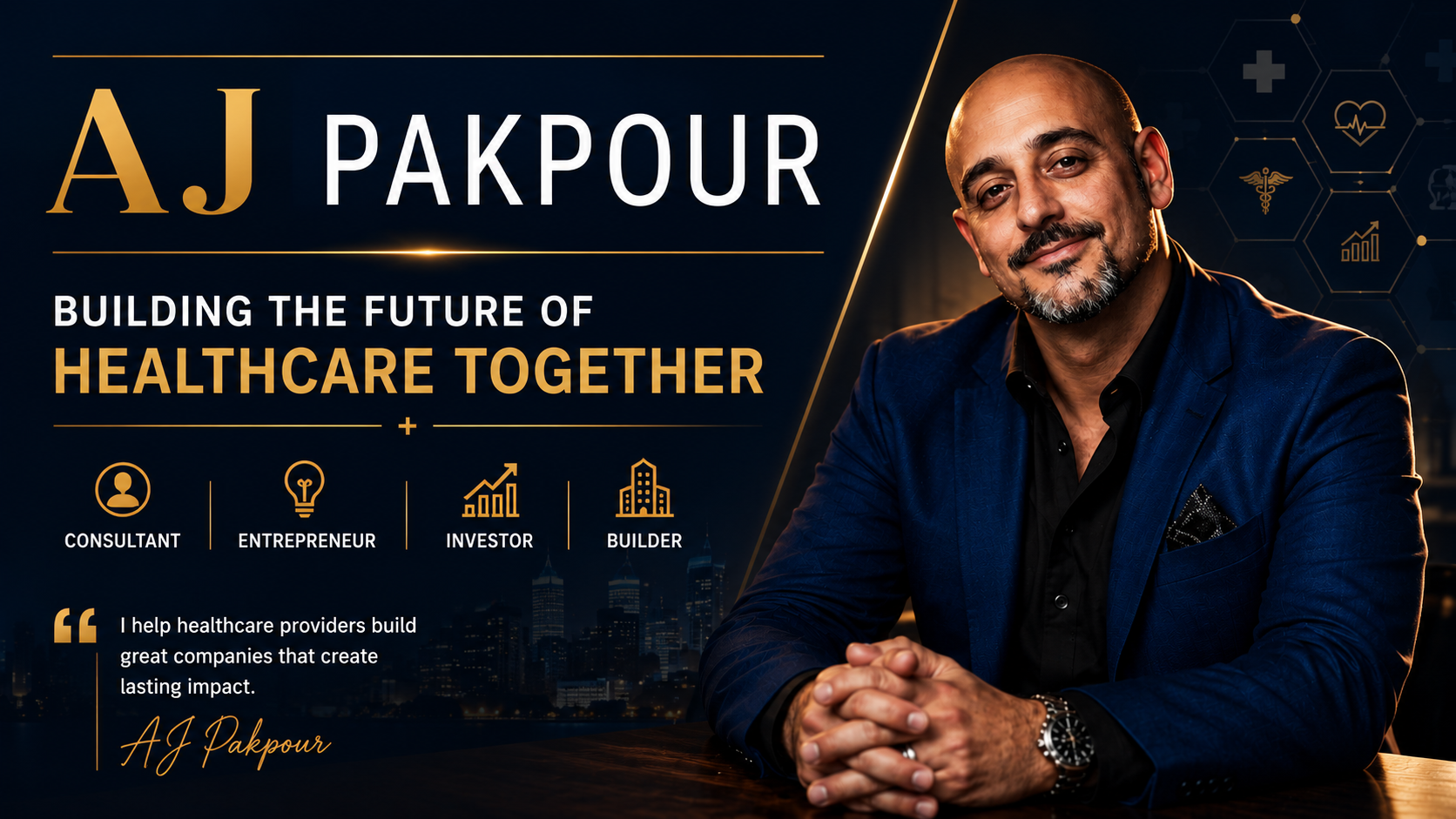
AJ Pakpour is a healthcare entrepreneur, Vice President of Doctor Staffers, founder of AmeraCell, and creator of The Business of Modern Medicine, with 25+ years of experience building and advising healthcare businesses.